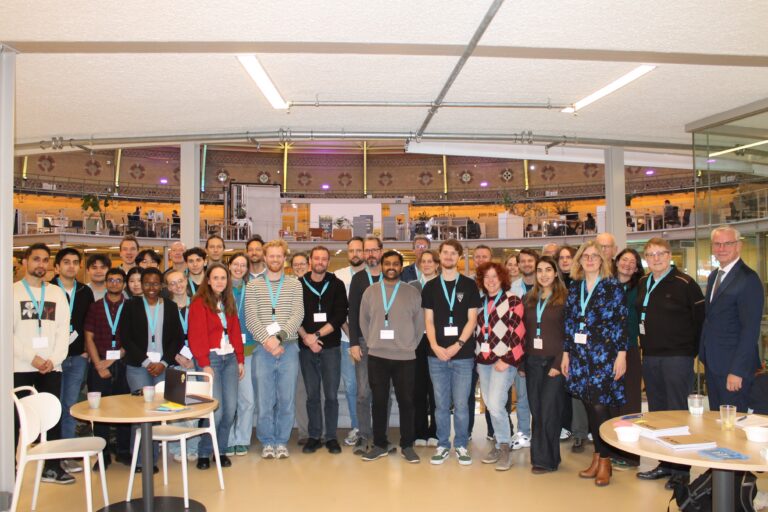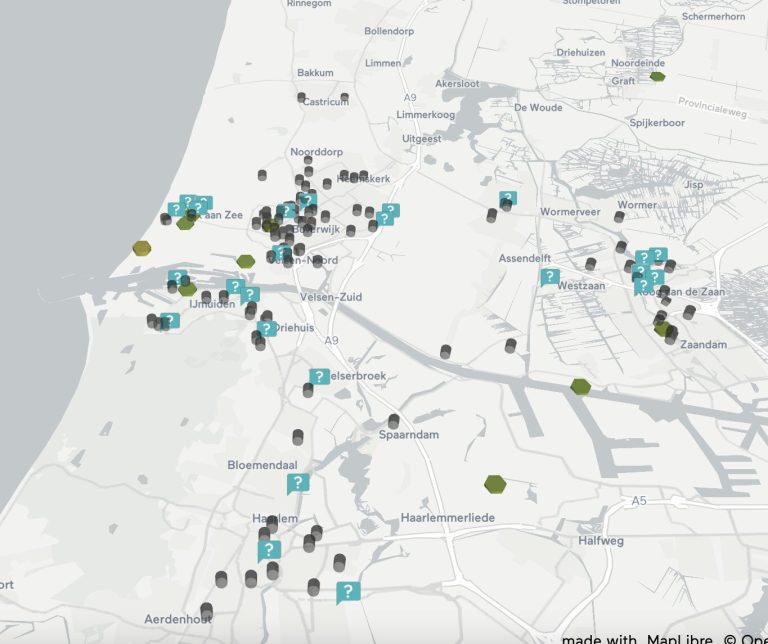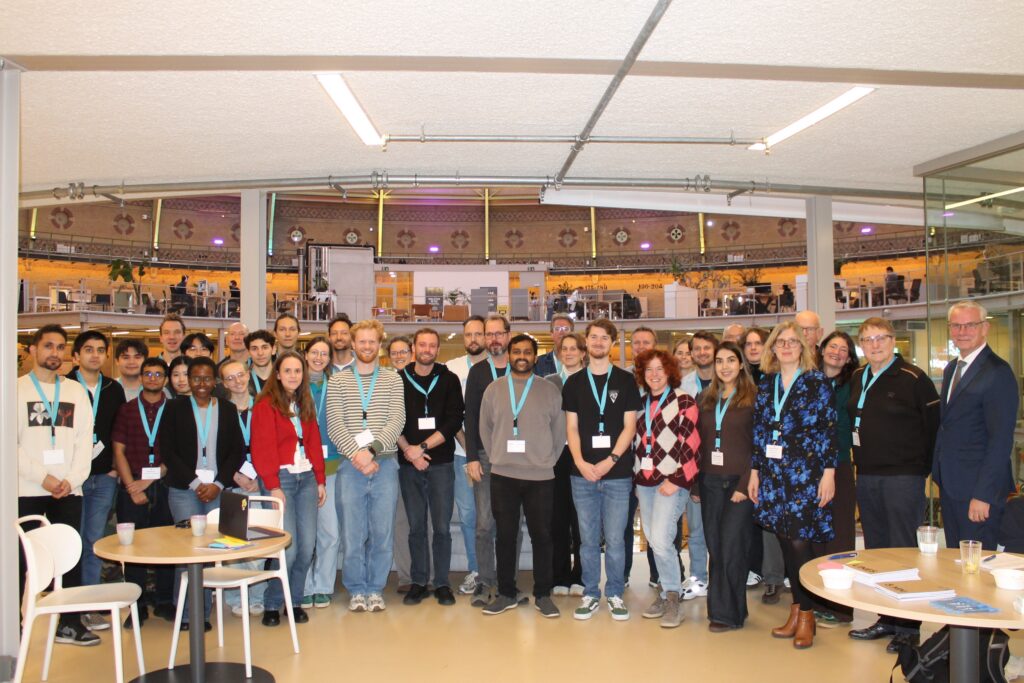
Vijf tot zes miljoen datapunten: zo groot was de dataset waarmee zes teams aan de slag gingen tijdens de Hollandse Luchten Hackathon. Met als doel: bewoners ondersteunen in het onderzoeken van de luchtkwaliteit. Het evenement vond plaats op vrijdag 13 november in De Koepel in Haarlem.
De teams
Deelnemers uit heel Nederland werkten in gemengde teams aan één van de drie challenges. Het ging om burgerwetenschappers, data- en luchtkwaliteitsexperts, studenten en andere geïnteresseerden.
“We kijken allemaal vanuit een ander perspectief; de één ziet appels, de ander sinaasappels. We moeten met elkaar op een lijn komen. Alleen dan kunnen we tot een goede oplossing komen.”
Hun doel was niet alleen een technisch sterke oplossing bedenken, maar vooral iets maken dat de meetgroepen van Hollandse Luchten in de praktijk echt kunnen gebruiken.
De drie challenges
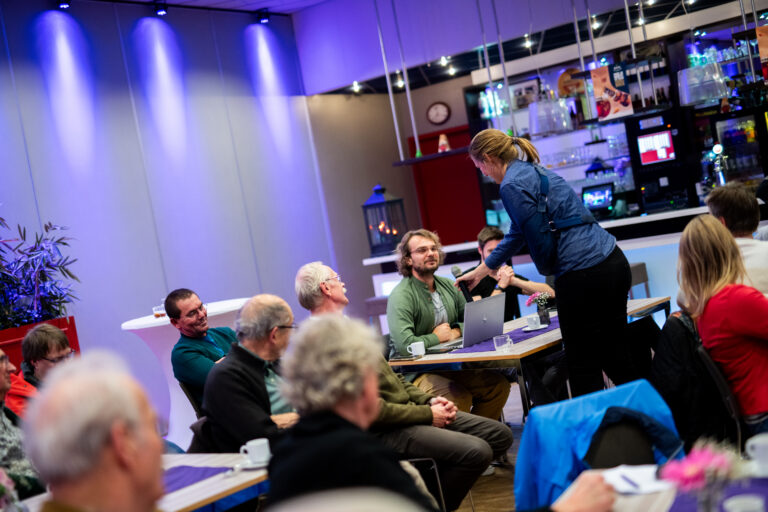
Het organisatieteam Mark Verschuren (AethiQs), Lianne Worrell (Waag Futurelab) en Janus Jansen (Provincie Noord-Holland) presenteerden de drie challenges.
De eerste challenge ging over het ontwikkelen van slimme methoden om afwijkende sensoren automatisch te herkennen. Andere teams gingen aan de slag met de tweede challenge: het ontdekken van hotspots van vervuiling. Deze teams analyseerden grote hoeveelheden meetdata met state-of-the-art AI en data-analyse. In de laatste challenge werkten teams aan een (slimme) assistent die bewoners helpt hun meetdata te analyseren, te begrijpen en te interpreteren.
Samenwerken aan een gezonde leefomgeving
Burgerwetenschapper Gerard van Zelst is Hollandse Held van de meetgroep IJmond. Hij benadrukte hoe belangrijk een eenvoudige, werkbare oplossing is waarmee burgers meer inzicht krijgen in hun data. Ook gaf hij de deelnemers waardevolle tips mee voor de dag.
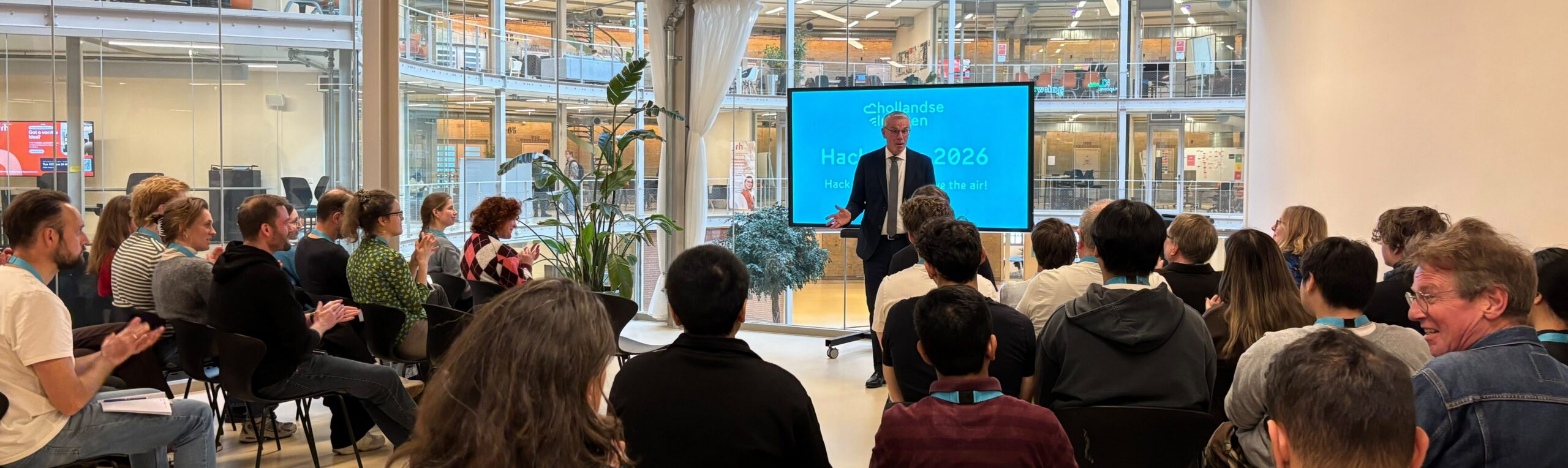
Tijdens de lunch sprak Jeroen Olthof, gedeputeerde van de provincie Noord-Holland. Hij bedankte de deelnemers voor hun inzet voor een gezondere leefomgeving.
“Hollandse Luchten laat zien wat er mogelijk is wanneer bewoners, scholen, onderzoekers en overheden samen werken aan schone lucht. Tijdens deze hackathon maken wetenschappers, data-experts en studenten meetgegevens begrijpelijker en bruikbaarder. Zo krijgen we beter zicht op de luchtkwaliteit en werken we samen aan gezonde lucht in Noord-Holland.”
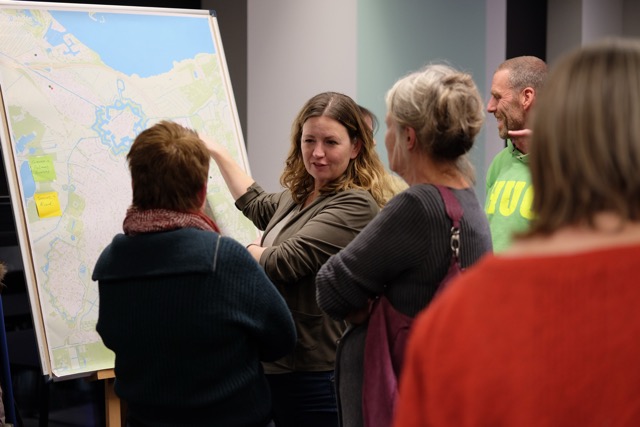
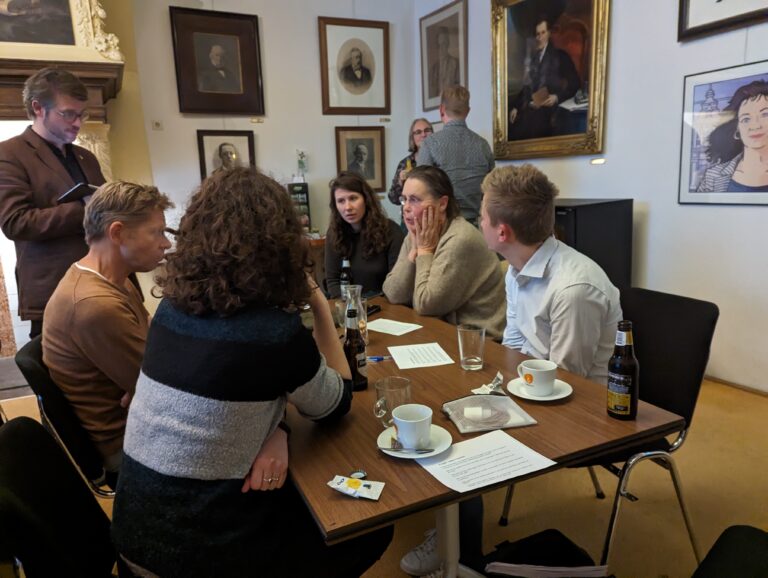
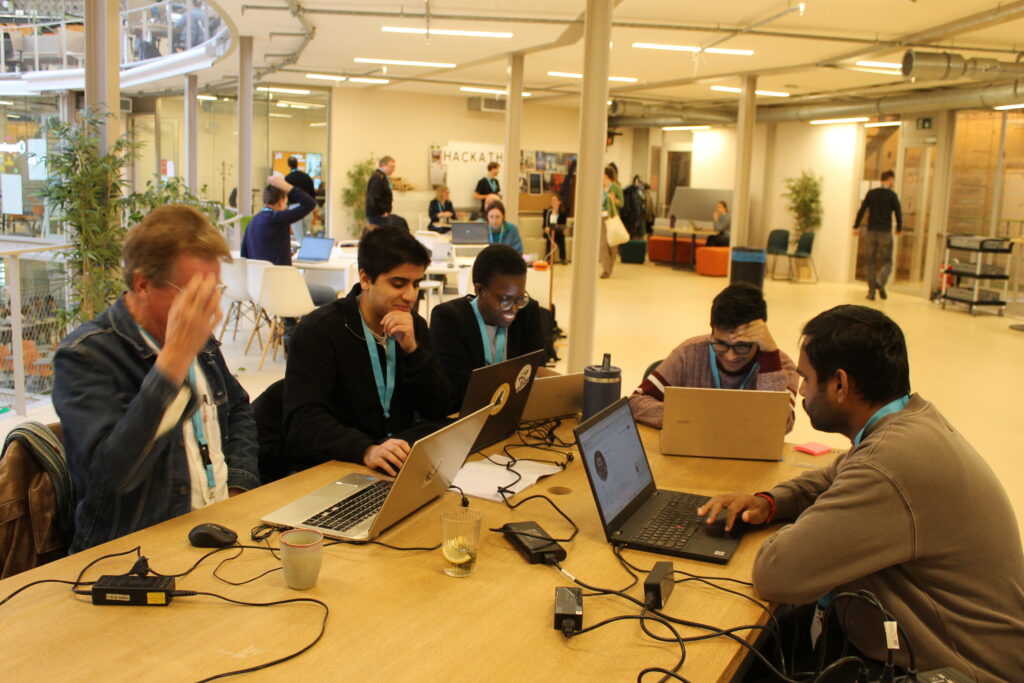
Gedurende de dag werkten de teams hun eerste ideeën uit, maakten schetsen en brainstormden. Dat deden ze onderling of samen met experts van TNO, GGD en RIVM, die de hackathon ondersteunden en vragen over de challenges beantwoordden. Aan het eind van de dag werden de laatste puntjes op de i gezet. De teams hebben nog tot woensdag 18 november 9:00 uur om hun voorstellen en oplossingen af te ronden.
Op naar de finale!
Benieuwd naar de oplossingen uit de hackathon zijn gekomen? Kom op donderdag 19 november naar de Grote finale, van 15:30 tot 19:30 uur. Dan presenteren de teams hun resultaten. Een gevarieerde jury beoordeelt dan de oplossingen en reikt de prijzen uit. De jury bestaat uit: de hoogleraren Sandjai Bhulai en Philipp Tuertscher, burgerwetenschapper Richard Floor en Laura Hornick, programmamanager bij de Gemeente Haarlem.
Hollandse Luchten Hackathon: six teams dive into millions of data points
Five to six million data points: that was the size of the dataset six teams worked with during the Hollandse Luchten Hackathon. The event took place on Friday 13 November at De Koepel in Haarlem. Since 2022, this former prison has been a place where research, innovation and creativity come together.
The teams
Participants from all over the Netherlands worked in mixed teams on one of three challenges set by Hollandse Luchten. They included citizen scientists, data and air quality experts, students and other interested people.
“We all look at the data through a different lens – one sees apples while the other sees oranges. We need to align or various perspectives. Only then, we can come up with a good solution.”
Their goal was not only to come up with technically strong solutions, but above all to build something the Hollandse Luchten measurement groups can actually use in practice.
The Three Challenges
The organizing team—Mark Verschuren (AethiQs), Lianne Worrell (Waag Futurelab), and Janus Jansen (Province of North Holland)—presented the three challenges.
The first challenge focused on developing smart methods to automatically detect malfunctioning sensors. Other teams tackled the second challenge: identifying pollution hotspots. These teams analyzed large amounts of measurement data using state-of-the-art AI and data analysis. In the final challenge, teams worked on a (smart) assistant to help residents analyse, understand and interpret their measurement data.
Working together towards a healthy living environment
Citizen scientist Gerard van Zelst is the IJmond measurement group’s ‘Dutch Hero’. He emphasised the importance of a simple, workable solution that gives citizens greater insight into their data. He also shared some valuable tips with the participants for the day.
During lunch, Jeroen Olthof, member of the Provincial Executive of North Holland, addressed the gathering. He thanked the participants for their commitment to a healthier living environment.
“Hollandse Luchten demonstrates what is possible when residents, schools, researchers and public authorities work together to achieve clean air. During this hackathon, scientists, data experts and students are making measurement data more understandable and usable. This gives us a better understanding of air quality and enables us to work together towards healthy air in North Holland. ”
Throughout the day, the teams developed their initial ideas, produced sketches and brainstormed. They did this amongst themselves or together with experts from TNO, the GGD and the RIVM, who supported the hackathon and answered questions about the challenges. At the end of the day, the finishing touches were added. The teams have until 9.00 am on Wednesday 18 November to finalise their proposals and solutions.
On to the finale!
Are you curious about what the teams developed? Join us at the grand finale on Thursday 19 November, from 15.30 pm to 19.30. The teams will present their solutions. A diverse jury will then assess the solutions and award the prizes. The jury consists of professors Sandjai Bhulai and Philipp Tuertscher, citizen scientist Richard Floor and Laura Hornick, programme manager at the Municipality of Haarlem